The world of mobile gaming is undergoing a revolution, driven by a relentless pursuit of seamless, immersive, and competitive experiences. At the forefront of this revolution are cross-platform esports experiences, which are bridging the gap between different devices and ecosystems. In this article, we’ll delve into the key contenders vying for dominance in this space: cloud gaming, cross-platform play, cloud-connected gaming, cross-platform esports platforms, and social gaming. Let’s start by taking a closer look at each of these cutting-edge options.
Cloud Gaming
Cloud gaming is the most straightforward approach to cross-platform esports experiences. By offloading the computational heavy-lifting to remote servers, cloud gaming enables gamers to play high-quality games on any device with a stable internet connection. Services like Google Stadia and Microsoft xCloud offer a range of benefits, including reduced latency, increased portability, and access to a vast library of games. However, cloud gaming also raises concerns around data privacy, security, and the need for a stable internet connection.
Cross-Platform Play
Cross-platform play is the answer to gamers’ prayers, allowing them to compete against each other across different platforms, such as PC, console, and mobile. This approach provides a more inclusive and flexible experience, enabling gamers to play with friends regardless of their device of choice. However, cross-platform play can also create technical challenges, such as ensuring fair play and compatibility between different platforms.
Cloud-Connected Gaming
Cloud-connected gaming takes cross-platform play to the next level by integrating cloud services into the gaming experience. This approach enables gamers to access their game libraries, friends lists, and other features across multiple platforms, creating a seamless and connected experience. Services like PlayStation Now and NVIDIA GeForce Now offer a range of benefits, including reduced latency and increased accessibility.
Cross-Platform Esports Platforms
Cross-platform esports platforms are dedicated platforms that enable gamers to compete against each other across different devices and ecosystems. These platforms provide a range of benefits, including fair play, matchmaking, and tournament management. Examples of cross-platform esports platforms include Smite and Hearthstone, which offer competitive gaming experiences that span multiple platforms.
Social Gaming
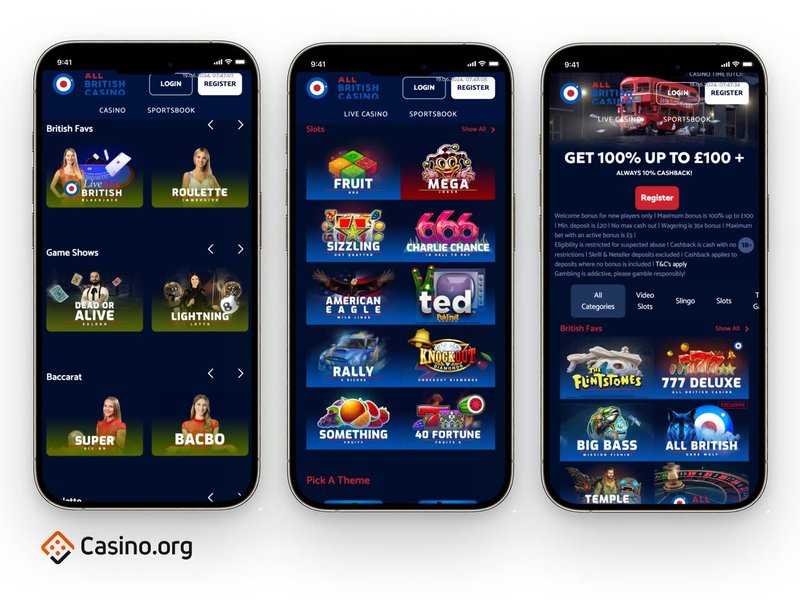
Social gaming is a crucial aspect of cross-platform esports experiences, enabling gamers to connect with each other, share tips and strategies, and compete in social challenges. Social gaming features like leaderboards, friend lists, and chat functions create a sense of community and camaraderie among gamers.
As the mobile gaming landscape continues to evolve, it’s clear that cross-platform esports experiences will play a major role. In fact, the idea of competing in online tournaments against opponents from different parts of the world is already a reality, and gamers can find a variety of options to explore at https://www.https://www.britsinocasino-gb.uk With so many innovative approaches emerging, one thing is certain: the future of mobile gaming is looking brighter than ever.
Which to Pick?
So, which of these options is the best fit for your next cross-platform esports experience? If you’re looking for a seamless and high-quality gaming experience, cloud gaming might be the way to go. If you’re interested in playing with friends across different platforms, cross-platform play is a great option. If you want to experience a more connected and inclusive gaming environment, cloud-connected gaming is worth considering. Ultimately, the best approach will depend on your individual needs and preferences.